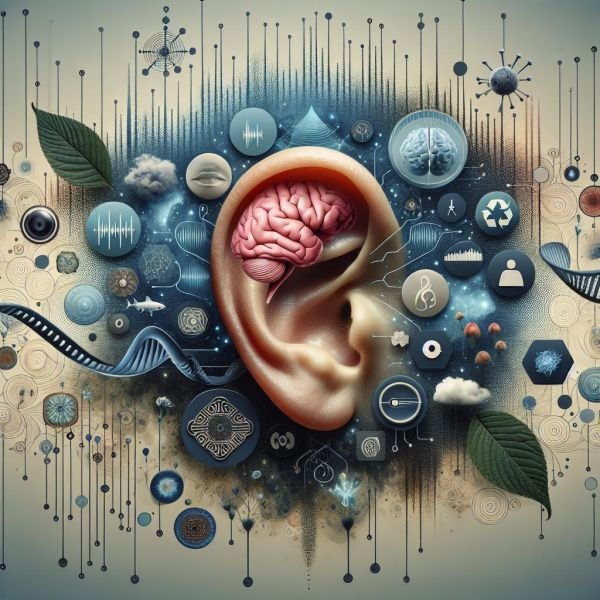
In the intricate tapestry of human health, the threads of hearing and cognition are often woven together in ways that may not be promptly apparent. As we navigate our daily lives, the ability to hear plays a crucial role, not just in our communication but also in shaping our thoughts and memories. Recent research has begun to illuminate the profound connection between hearing health and cognitive function, revealing that the ears can be more than mere conduits for sound—they can serve as gateways to our mental acuity. This article delves into the evolving landscape of auditory research, exploring how the preservation of hearing may hold the key to maintaining cognitive vitality, especially as we age. Join us as we unravel the complexities of this interesting link, offering insights that could empower you to enhance both your hearing and your mind.
Auditory perception plays a pivotal role in how we process facts and engage with our surroundings. Research has shown that the brain is intricately wired to rely on sound for communication and learning. when hearing loss occurs, it not onyl impairs the ability to hear but also strains cognitive resources. This can lead to an accelerated decline in memory and cognitive function, as the brain reallocates its energy to compensate for missing auditory cues. Individuals with hearing loss may struggle with understanding conversations, resulting in social withdrawal and, consequently, a decline in mental agility as cognitive stimulation decreases.
To combat the potential impacts of hearing loss on cognitive function, it is essential to adopt proactive strategies that support both hearing health and mental resilience. Here are several effective strategies:
- Engaging in regular auditory exercises to improve hearing skills.
- Maintaining an active social life to strengthen cognitive connections.
- Utilizing hearing aids or assistive listening devices to facilitate clearer communication.
- Participating in cognitive training programs to enhance brain plasticity.
A remarkable advancement in hearing technology has been the progress of elegant hearing aids, which not only improve auditory perception but also support mental sharpness. Studies suggest that aligning auditory feedback with cognitive engagement can lead to better memory retention and processing speeds in individuals using these devices. By restoring auditory input, hearing aids foster a vital link between sound and cognitive health, reinforcing social interactions and stimulating the brain in ways that can definitely help mitigate cognitive decline.
| Hearing Strategy | Benefit for Cognitive Function |
|---|---|
| Regular Auditory Exercises | enhances auditory processing and reduces cognitive load |
| Social Engagement | Prevents isolation and boosts mental connectivity |
| Use of Hearing Aids | Improves sound clarity and supports active communication |
| Cognitive Training | Strengthens memory and reasoning skills |
Final thoughts
As we draw the curtains on our exploration of the intricate bond between hearing health and cognitive function, it becomes increasingly clear that these two facets of well-being are more interconnected than they may initially appear. Just as a delicate melody relies on harmony and rhythm, our cognitive abilities flourish in an environment where auditory perception is valued and cared for.
In a world that increasingly embraces the importance of mental wellness, our journey underscores the need to prioritize hearing health as a crucial pillar of cognitive vitality.Whether through regular check-ups, protective measures against environmental noise, or simply being mindful of how we engage with sound, these seemingly small choices can ripple outwards, fostering not only clear communication but also sharper minds.
the road ahead invites us to break down the silos that have long separated the domains of auditory health and cognitive science. As we continue to learn and advocate for comprehensive approaches to health that embrace this vital link, we empower ourselves and others to live enriched lives, filled with the symphony of sounds and thoughts that define our human experience. Let us listen closely—not just to the world around us, but to the profound insights that arise when we recognize that safeguarding our hearing is inherently intertwined with nurturing our minds.