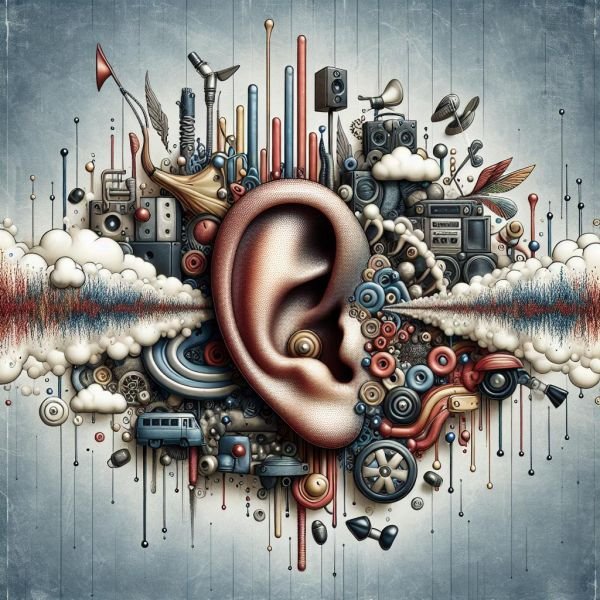
In the symphony of life, sound plays a crucial role, shaping our experiences and interactions. Yet, amidst the harmonious melodies of nature and the rhythmic hum of daily living, an insidious adversary lurks—noise pollution.As urban landscapes swell and industrial activities surge, the cacophony of late-night traffic, construction clamor, and bustling crowds can drown out the serenity we often take for granted. This relentless barrage of sound not onyl disrupts our peace but also poses a significant threat to our auditory health. In this article, we will explore the profound effects of noise pollution on hearing, illuminating the risks it presents while also offering practical strategies to safeguard our ears from its damaging repercussions.Join us as we navigate the complexities of sound and silence, empowering ourselves to reclaim the clarity of sound in our lives.
Noise pollution, often an overlooked health hazard, profoundly impacts our auditory well-being. Common sources include urban traffic, construction work, loud music venues, and industrial operations. Continuous exposure to loud environments can lead to various auditory issues ranging from temporary threshold shifts to permanent hearing loss. The effects extend beyond just hearing impairment; they can also interfere with sleep quality, increase stress levels, and worsen overall mental health. Understanding these common sources helps in identifying areas where enhancement can be made in our daily lives.
To effectively combat noise pollution, individuals and communities can implement several strategies.Soundproofing their living spaces, utilizing earplugs in noisy environments, and advocating for quieter machinery and vehicles are just a few examples. Additionally, raising awareness about hearing conservation initiatives can empower groups to demand regulatory changes, promoting quieter urban lifestyles.Engaging with local governments to establish quiet zones in schools and residential areas not only reduces noise levels but also fosters environments conducive to healthier living. By making conscious efforts to minimize harmful noise exposure, individuals can greatly enhance their auditory health and quality of life.
In Summary
As we navigate through our increasingly noisy world, the impact of sound pollution on our hearing becomes ever more pressing. From bustling city streets to the constant hum of technology, our auditory habitat is more challenging than ever. Though, awareness is the first step toward protection. by understanding the consequences of noise pollution and implementing strategies to minimize exposure, we can safeguard our hearing for generations to come.
In a symphony of sounds, it is vital to curate our personal acoustics, embracing the serene and delicate notes while shielding ourselves from the cacophony that threatens our health. With proactive measures—such as using ear protection, advocating for quieter community designs, and cultivating mindful listening practices—we can reclaim our auditory spaces.
As you reflect on the sounds that surround you, consider how you might compose a quieter, more harmonious life. Together, let’s foster an environment where the beauty of sound prevails, allowing us to cherish the gift of hearing without the burden of noise pollution. In doing so, we take one step closer to a world where our ears can truly hear the whispers of nature, the laughter of friends, and the melodies of life itself.